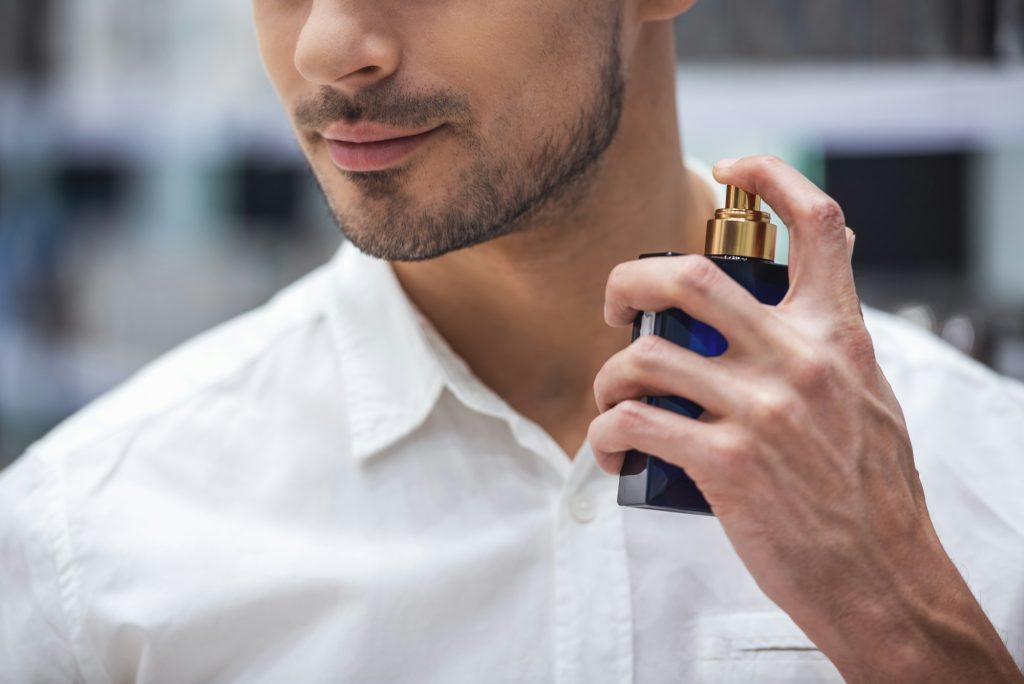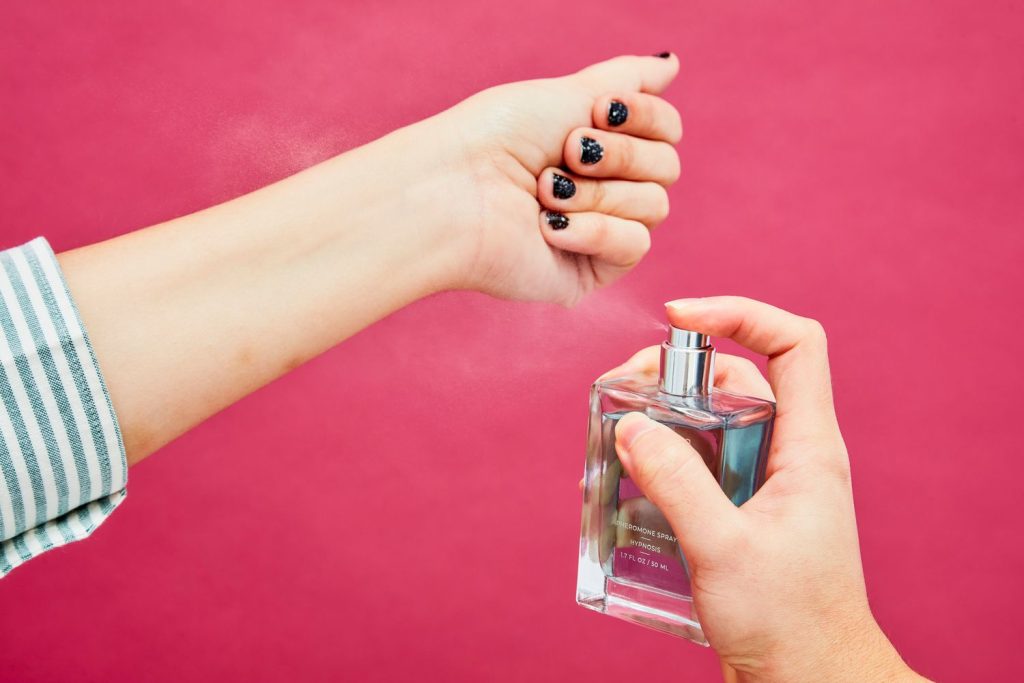
Great Fragrance has been an intrinsic part of human culture for centuries, symbolizing elegance, allure, and personal expression. The art of perfumery blends science, creativity, and intuition to create scents that evoke emotions, tell stories, and leave lasting impressions. But what makes a fragrance “good” or even “great”? Let’s explore the elements that define exceptional fragrances while incorporating practical tips to ensure your scent choice and understanding align with the essence of excellence.
Table of Contents
ToggleThe Foundations of a Great Fragrance
A fragrance’s quality depends on multiple factors, each contributing to its complexity and appeal. These factors include:
1. Quality of Ingredients
High-quality raw materials are essential for crafting an outstanding Great Fragrance. Whether natural or synthetic, the ingredients must be refined and sourced responsibly. For instance, premium essential oils, such as jasmine or sandalwood, elevate a perfume’s richness and longevity. Ethical sourcing practices also enhance the credibility of the fragrance brand.
2. Balance and Harmony
A well-composed Great Fragrance maintains a harmonious blend of its components. Each note, from the initial burst of top notes to the lingering base notes, must transition seamlessly. A fragrance that’s too overpowering or unbalanced risks alienating its wearer.
3. Longevity and Projection
The lasting power and sillage (the trail a fragrance leaves behind) are crucial elements of a great perfume. Nobody wants a scent that fades too quickly or one that overpowers the room. Achieving the perfect balance ensures a fragrance remains pleasant and memorable.
4. Versatility
A truly remarkable Great Fragrance adapts to various occasions and moods. While some scents are seasonal, a versatile fragrance works across multiple settings, making it a valuable addition to anyone’s collection.
5. Originality and Creativity
An exceptional Great Fragrance breaks the mold and stands out from the crowd. Perfumers who take risks by experimenting with unconventional combinations often create iconic scents that redefine industry standards.
Crafting a Fragrance: The Perfumery Process
Creating a fragrance is both an art and a science. Below is a simplified breakdown of the process:
1. Concept Development
The journey begins with an idea or inspiration. Perfumers often draw from emotions, memories, or cultural elements to conceptualize a scent. For example, a fragrance inspired by a summer’s day might feature citrus and aquatic notes.
2. Selection of Notes
Great Fragrances are composed of three types of notes:
- Top Notes: The initial impression, often fresh and light.
- Middle Notes: The heart of the fragrance, providing depth and character.
- Base Notes: The foundation, offering warmth and longevity.
3. Blending and Testing
Perfumers meticulously blend ingredients in specific ratios, testing the scent’s balance, projection, and dry-down (how the scent evolves over time). This stage often involves multiple iterations.
4. Maturation
Once blended, the fragrance undergoes a maturation process, allowing the components to harmonize. This step ensures the final product reflects the intended olfactory experience.
5. Bottling and Branding
The fragrance’s presentation is as important as the scent itself. A well-designed bottle and compelling branding add to its allure, making it irresistible to consumers.
Choosing the Right Fragrance for You
Selecting a Great Fragrance that complements your personality and lifestyle can be challenging. Here are some tips to guide your decision:
1. Understand Fragrance Families
Fragrances fall into categories such as floral, woody, oriental, and fresh. Knowing your preferences within these families can narrow your options.
2. Test Before You Buy
Always test a fragrance on your skin, as body chemistry influences how a scent develops. Visit stores like Indian Shop Hub for diverse options and personalized recommendations.
3. Consider the Occasion
Choose fragrances based on where and when you plan to wear them. For example, a light citrus scent works well during the day, while an intense oriental perfume suits evening events.
4. Evaluate Longevity and Projection
Ensure the fragrance meets your expectations for how long it lasts and its silage. Testing multiple options helps you identify what works best for you.
The Emotional Power of Fragrance
Great fragrances go beyond smelling pleasant; they evoke emotions and memories. Scents have a unique ability to:
1. Trigger Nostalgia
Certain aromas can transport us back in time, reminding us of cherished moments or loved ones.
2. Boost Confidence
Wearing a scent that resonates with you enhances self-assurance and leaves a positive impression.
3. Reflect Individuality
Fragrance is an extension of your personality, allowing you to express yourself in subtle yet impactful ways.
For unique fragrance choices tailored to specific occasions, visit Vvid Perfumes, a platform dedicated to offering personalized options.
Sustainability in Perfumery
As environmental concerns grow, sustainability has become a priority in the fragrance industry. Brands now focus on:
1. Ethical Sourcing
Ingredients sourced without harming ecosystems or exploiting communities enhance a brand’s reputation and appeal.
2. Eco-Friendly Packaging
Reducing waste by using recyclable materials or refillable bottles is increasingly common.
3. Transparency
Brands like Kinto Host support sustainable practices by partnering with environmentally conscious suppliers and providing detailed information about their products.
The Role of Technology in Fragrance Development
Innovation continues to shape the perfume industry. Advanced technologies allow for:
1. Synthetic Alternatives
High-quality synthetic ingredients replicate natural scents without depleting resources.
2. AI in Perfumery
Artificial intelligence assists in predicting successful scent combinations and analyzing consumer preferences.
3. Digital Sampling
Online platforms, such as Auto Refresh, offer virtual tools to explore fragrances before purchase, making the shopping experience seamless.
Conclusion
Being a great fragrance requires a delicate balance of artistry, quality, and innovation. From sourcing premium ingredients to crafting harmonious blends, every step contributes to the final product’s excellence. By understanding the intricacies of perfumery and embracing sustainable practices, both consumers and creators can ensure a brighter future for the fragrance industry.
For those exploring the world of Great Fragrance, make sure to explore reliable online stores such as Indian Shop Hub, Uniq Foody, and Vvid Perfumes for high-quality products and expert guidance. Remember, a great fragrance isn’t just about the scent—it’s an experience that stays with you and those around you.
Faq’s
- What makes a fragrance great?
A great fragrance is defined by its quality ingredients, balanced composition, longevity, versatility, and originality. - What are fragrance notes?
Fragrance notes are the layers of scent in a perfume. They are categorized into top, middle (heart), and base notes, each contributing to the fragrance\u2019s overall profile. - How are perfumes made?
Perfumes are crafted by blending natural or synthetic ingredients, developing harmonious compositions, and undergoing a maturation process to refine the scent. - What is the difference between Eau de Parfum and Eau de Toilette?
Eau de Parfum (EDP) has a higher concentration of fragrance oils, making it longer-lasting, while Eau de Toilette (EDT) is lighter and more suitable for casual wear. - How can I choose the right fragrance for me?
Test fragrances on your skin, consider your personal preferences, and match the scent to the occasion or season. - Why is sustainability important in perfumes?
Sustainability ensures the ethical sourcing of ingredients, eco-friendly packaging, and a reduced environmental impact, making the perfume industry more responsible. - What is sillage, and why does it matter?
Sillage refers to the trail a fragrance leaves in the air. It impacts how noticeable a perfume is to others and contributes to its memorability. - Can synthetic ingredients be as good as natural ones?
Yes, synthetic ingredients often replicate natural scents while being more sustainable, consistent, and innovative. - How has technology influenced the perfume industry?
Technological advancements, like AI and synthetic alternatives, enable more precise scent creation and sustainable practices. - What should I look for in a fragrance brand?
Look for transparency, quality ingredients, ethical sourcing, and a reputation for creativity and innovation.