Table of Contents
ToggleIntroduction
In today’s fast-paced world, managing stress, maintaining focus, and staying emotionally balanced has become more important than ever. While traditional aromatherapy has long been used for relaxation and healing, a new evolution has emerged—Mood-Hacking, often referred to as Aromatherapy 2.0.
This modern approach combines neuroscience, psychology, and advanced fragrance design to intentionally influence mood, behavior, and mental performance through scent.
Unlike traditional aromatherapy, which focuses on general well-being, Mood-Hacking is targeted, data-driven, and results-oriented.
What is Mood-Hacking?
Mood-Hacking is the strategic use of scents to trigger specific emotional or cognitive responses. It leverages the direct connection between the olfactory system and the brain’s limbic system—the area responsible for emotions, memory, and behavior.
Key Concept:
Scents bypass conscious processing and directly influence emotions almost instantly.
The Science Behind Aromatherapy 2.0
The Olfactory System
When you inhale a scent, odor molecules travel through the nose and bind to receptors that send signals directly to the brain.
The Limbic System Connection
The limbic system includes:
- Amygdala (emotion)
- Hippocampus (memory)
This explains why scents can:
- Trigger memories
- Influence mood
- Affect behavior instantly
Traditional Aromatherapy vs Mood-Hacking
| Feature | Traditional Aromatherapy | Mood-Hacking |
|---|---|---|
| Approach | Holistic | Scientific & targeted |
| Goal | Relaxation | Specific emotional outcomes |
| Method | Essential oils | Engineered scent blends |
| Speed | Gradual | Immediate |
Benefits of Mood-Hacking
1. Instant Stress Relief
Specific scents like lavender and chamomile reduce cortisol levels.
2. Improved Focus
Peppermint and rosemary enhance cognitive performance.
3. Better Sleep
Sandalwood and vetiver promote relaxation and deep sleep.
4. Boosted Confidence
Oud, amber, and musk create a sense of power and presence.
5. Emotional Balance
Citrus notes uplift mood and reduce anxiety.
Popular Mood-Hacking Fragrance Profiles
1. Energizing Blends
- Citrus
- Mint
- Green notes
2. Calming Blends
- Lavender
- Vanilla
- Sandalwood
3. Focus-Enhancing Blends
- Rosemary
- Peppermint
- Eucalyptus
4. Confidence Boosting Blends
- Oud
- Amber
- Leather
How to Use Mood-Hacking in Daily Life
Morning Routine
Use citrus-based scents to boost energy.
Work Hours
Apply focus-enhancing fragrances.
Evening Relaxation
Switch to calming blends.
Social Events
Wear confidence-boosting scents.
How to Choose the Right Mood-Hacking Fragrance
- Identify your goal (focus, calm, energy)
- Test on skin
- Observe reaction
- Choose long-lasting options
Application Tips for Maximum Effect
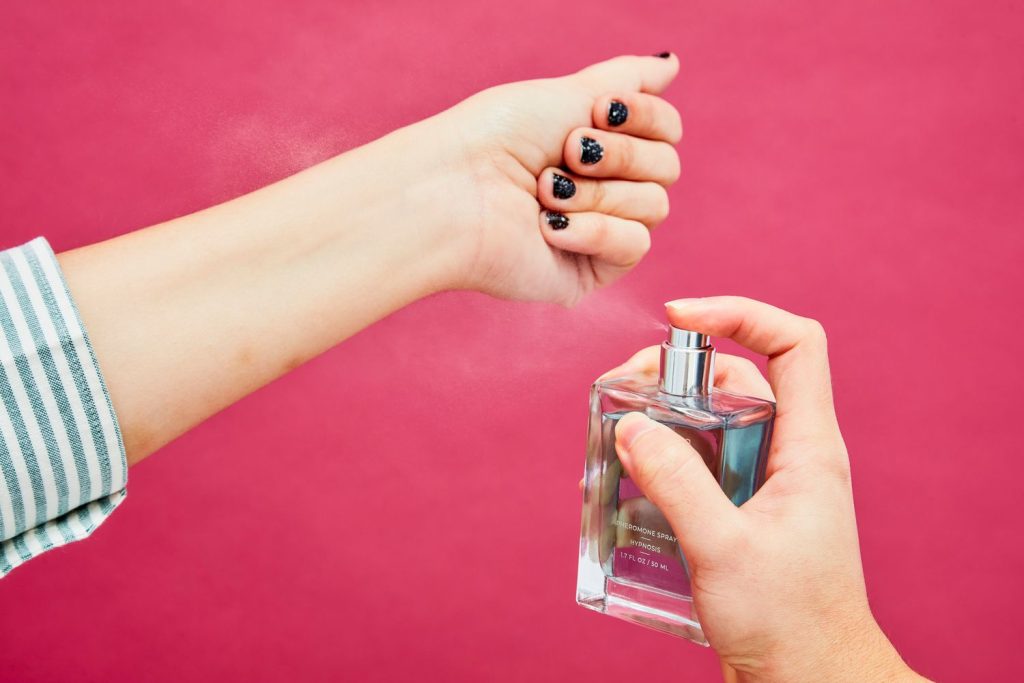
- Apply on pulse points
- Use in diffusers
- Layer scents strategically
The Role of Technology in Aromatherapy 2.0
Modern innovations include:
- Smart diffusers
- AI-based scent personalization
- Wearable scent devices
Future of Mood-Hacking
The future lies in personalized scent experiences tailored to individual brain responses.
Conclusion
Mood-Hacking represents the next evolution of aromatherapy—blending science, technology, and fragrance to create powerful emotional experiences. By understanding and applying these principles, you can take control of your mood, productivity, and overall well-being.
FAQs
- What is Mood-Hacking? It is the use of scents to influence mood and behavior.
- Is it scientifically proven? Yes, it is based on neuroscience and olfactory research.
- Can it improve focus? Yes, certain scents enhance concentration.
- Is it safe? Yes, when using quality products.
- Can I use it daily? Absolutely.
- Does it replace therapy? No, it complements wellbeing practices.
- What scents reduce stress? Lavender and sandalwood.
- Can it help sleep? Yes, calming scents improve sleep quality.
- Are diffusers necessary? Not mandatory but helpful.
- Is it suitable for everyone? Yes, but preferences vary.