Introduction to Perfume Gyan
The world of fragrance is vast and intriguing, with a history rich in culture and tradition. “Perfume Gyan” translates to wisdom about perfumes. In this comprehensive guide, we’ll explore everything you need to know about perfumes—from their creation process to how you can select the ideal scent for every occasion. Whether you’re a fragrance enthusiast or new to the world of perfumes, this article will offer you valuable insights to deepen your understanding.
What is Perfume Gyan?
Perfume Gyan refers to acquiring deeper knowledge about fragrances. It includes understanding various perfume types, ingredients, proper application, and how perfumes influence your mood and personality. Perfumes are not just luxurious accessories; they are a way to express yourself, enhance confidence, and trigger memories.
The History of Perfume: A Glimpse Through Time
Perfume dates back to ancient times, originating from civilizations such as Egypt, India, and Mesopotamia. Perfumes were used for both spiritual rituals and personal adornment. Today, modern perfumery has evolved significantly, with countries like France at the forefront of crafting iconic, globally renowned fragrances.
Understanding the Composition of Perfume gyan
Top Notes
Top notes are the first scents you smell when applying perfume. They are generally light and fresh but tend to fade quickly.
Heart (Middle) Notes
Heart notes emerge once the top notes evaporate. These form the core of the fragrance and last longer, offering the perfume its main character.
Base Notes
Base notes form the foundation of the fragrance, lingering longer than both top and heart notes. They provide the perfume with depth and richness.
Types of Perfume Concentrations
Perfume (Parfum)
With 20-30% fragrance oil, perfume is the most concentrated and long-lasting type, lasting up to 12 hours on the skin.
Eau de Parfum (EDP)
Eau de Parfum has a 15-20% concentration and lasts around 8 hours.
Eau de Toilette (EDT)
Lighter than EDP, Eau de Toilette contains 5-15% fragrance oil and lasts about 3-5 hours, making it ideal for everyday use.
Eau de Cologne
Cologne has only 2-4% fragrance oil, offering a light and refreshing scent, perfect for casual or summer wear.
Perfume Families: The Building Blocks of Scent
Floral
Floral scents like rose and jasmine are feminine and romantic, commonly associated with elegance and grace.
Fruity
Fruity perfumes are playful and light, featuring notes like apple and peach. They are great for casual wear.
Citrus
Citrus fragrances provide a zesty, fresh burst, making them perfect for summer.
Woody
Woody fragrances have warm, earthy notes such as sandalwood and patchouli, ideal for evening wear.
Oriental
Oriental perfumes are rich, bold, and exotic, often containing warm spices like cinnamon and vanilla, ideal for special occasions.
How to Choose the Right Perfume
Understand Your Personality
Choose a fragrance that matches your personality. Outgoing people might prefer citrus or fresh scents, while romantic individuals may lean toward floral fragrances.
Consider the Occasion
Light, airy scents are suitable for daytime or office settings, while deeper, richer fragrances are better suited for evening events.
Test Before You Buy
Always test a fragrance on your skin before purchasing it. Perfumes react differently to individual body chemistry, so what smells good on someone else may not suit you.
How to Apply Perfume for Maximum Effect
Apply to Pulse Points
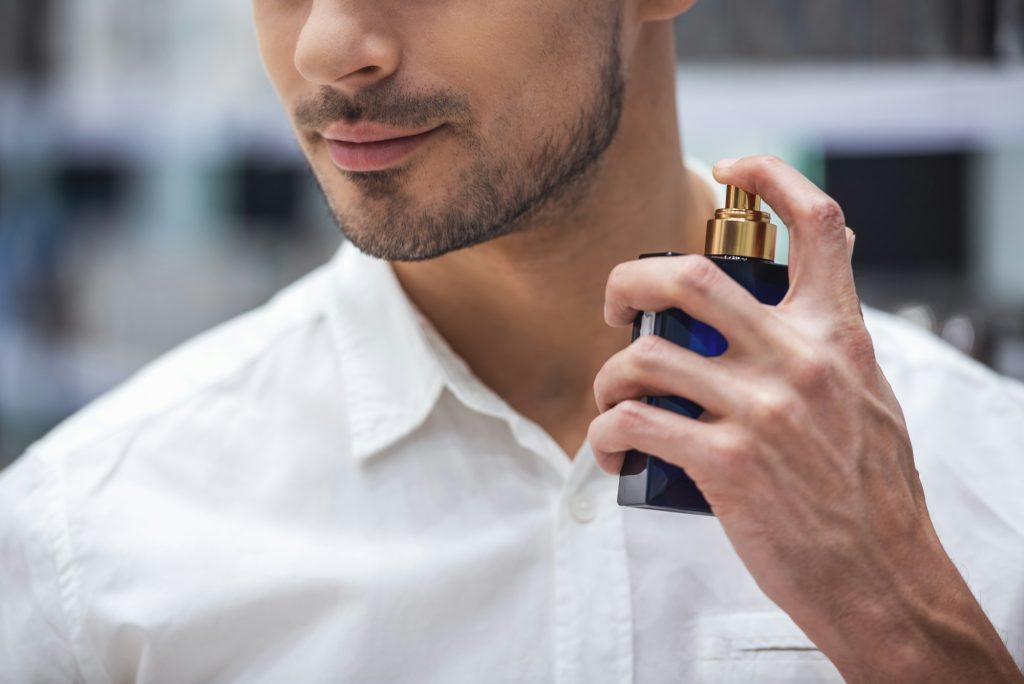
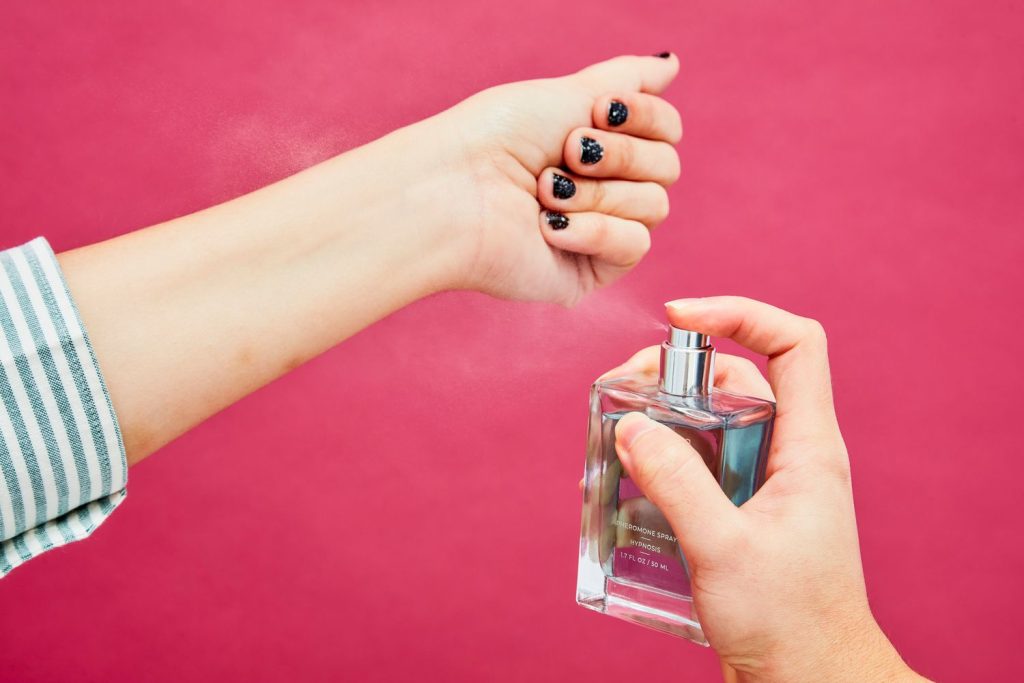
For longer-lasting fragrance, apply perfume to your pulse points such as wrists, neck, and behind the ears.
Don’t Over-Apply
A little goes a long way. Over-applying can overwhelm and reduce the elegance of the scent.
Avoid Rubbing Your Wrists Together
Rubbing your wrists disrupts the fragrance molecules, altering the scent and reducing its longevity. Let the perfume air-dry for the best results.
Seasonal Perfumes: Matching Scents to the Weather
Spring and Summer Perfumes
In warmer months, opt for lighter, fresh fragrances like citrus and floral scents.
Fall and Winter Perfumes
During colder months, choose richer, deeper fragrances such as woody or oriental scents for added warmth.
Caring for Your Perfume
Store in a Cool, Dark Place
Perfumes should be kept in cool, dark places to preserve their quality. Avoid placing them in direct sunlight or areas with fluctuating temperatures.
Keep the Bottle Sealed
Always tightly seal the bottle after use to prevent evaporation and maintain the fragrance’s longevity.
The Psychology of Perfume: How Fragrances Affect Emotions
Fragrances have a profound effect on emotions and memory. Fresh scents like citrus can energize, while warm, floral, or oriental fragrances can provide a calming or sensual effect. Choosing a fragrance that matches your emotional state can enhance your mood throughout the day.
The Influence of Perfume on Personal Style
Just like fashion, perfume plays a key role in personal style. The right scent can project confidence, romance, or mystery, making it an essential part of your overall look.
Perfume Myths Debunked
Myth 1: Perfume Smells the Same on Everyone
Perfume reacts uniquely to each person’s skin chemistry, so it can smell different from one individual to another.
Myth 2: You Should Rub Perfume After Applying It
Rubbing your wrists together after applying perfume alters the scent. It’s best to let it air-dry for lasting fragrance.
Myth 3: Expensive Perfumes Are Always Better
Price doesn’t always guarantee quality. Affordable perfumes can also offer excellent scent and longevity.
Conclusion: Mastering Perfume Gyan
Perfume Gyan is about mastering the art of fragrance—from understanding how perfumes are crafted to selecting the right scent that reflects your style and mood. By gaining insight into different fragrance families, concentrations, and proper application techniques, you can elevate your perfume experience and make it a crucial aspect of your personal style.
FAQs
- What’s the best way to choose a perfume that suits me?
Always test the perfume on your skin and wear it for a few hours to see how it develops with your body chemistry. - How long should a good perfume last on the skin?
A quality perfume can last 4 to 8 hours, depending on its concentration and application. - Is it necessary to change perfumes with the seasons?
Yes, lighter scents work best in summer, while deeper fragrances suit the cooler months. - Where should I apply perfume for the best results?
Apply perfume to pulse points like your wrists, neck, and behind the ears for optimal longevity. - Does perfume expire?
Yes, perfumes typically last 3-5 years if stored properly in a cool, dark place.